Compare Local Contractors for Sinkhole Filling Services
Compare local contractors for sinkhole filling to verify experience, define project scope, and establish clear expectations in writing for a successful repair.
Sinkhole filling services typically involve assessing the extent of ground subsidence, stabilizing the affected area, and properly filling the void to prevent further damage. Contractors often use specialized materials and techniques to ensure the stability of the soil and underlying structures. The scope of work may include site evaluation, excavation, soil preparation, and the strategic placement of fill material to restore the ground’s integrity. Clarifying the specific tasks involved helps property owners understand what to expect and ensures that all necessary steps are included in the project plan.
Defining the scope of sinkhole filling work is essential for setting clear expectations and avoiding misunderstandings. A well-outlined scope details the work to be performed, the materials to be used, and the responsibilities of the contractor. This clarity can help property owners compare different service providers more effectively and ensure that the chosen contractor understands the specific needs of the site. Having a detailed scope also supports transparency and provides a basis for documenting the project, which can be useful for future reference or potential disputes.
When evaluating local contractors for sinkhole filling, property owners should consider their experience with similar projects and their familiarity with the local ground conditions. It’s helpful to verify how each contractor approaches defining project scope and whether they provide comprehensive written estimates or proposals. Comparing service providers based on their communication, professionalism, and ability to clearly explain the work involved can lead to a more informed decision. Ensuring that the chosen contractor can deliver a detailed plan aligned with the property’s needs helps facilitate a smoother project process.
Compare local contractors by outlining project priorities, verifying experience, and clearly defining scope and expectations in writing.
- Compare Local Contractors - review multiple service providers to find those best suited for sinkhole filling needs.
- Define Project Scope - clearly outline the work requirements and expectations before engaging a contractor.
- Verify Experience and Expertise - ensure contractors have relevant background in sinkhole stabilization and filling.
- Document Agreements in Writing - establish scope, responsibilities, and expectations through detailed written agreements.
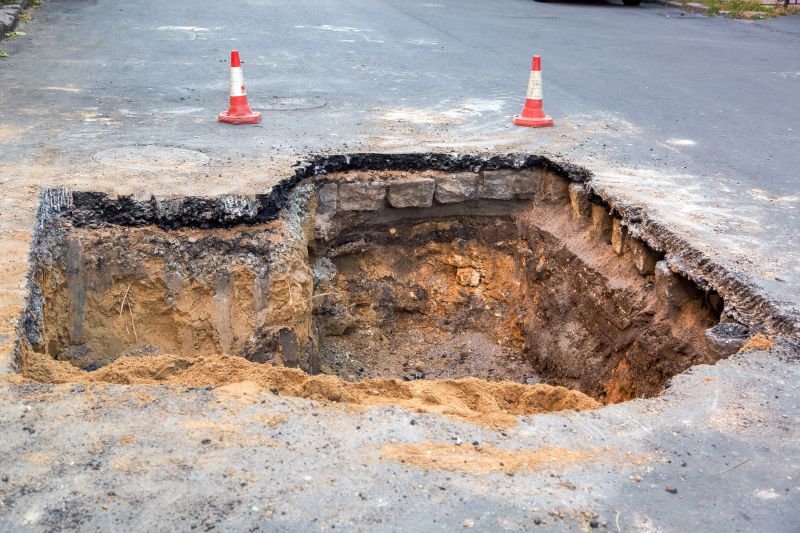
Before comparing contractors for sinkhole filling, clearly describe your project scope, verify experience, and set expectations in writing.
- Verify the contractor’s experience with sinkhole filling projects of similar size and scope. - Ensuring familiarity with sinkhole repair techniques helps achieve proper stabilization.
- Define the scope of work clearly in writing, including the extent of excavation and backfilling required. - Clear documentation helps prevent misunderstandings and sets proper expectations.
- Check that the service providers have appropriate equipment and materials for safe and effective sinkhole filling. - Proper tools and supplies are essential for a durable repair.
- Request detailed descriptions of the process to understand how the sinkhole will be stabilized and filled. - Understanding the approach ensures the method aligns with site conditions.
- Confirm that the contractor will handle site cleanup and restore surrounding areas after the work is completed. - Proper cleanup minimizes post-project disruptions and maintains property appearance.
- Ensure all project details, including scope and responsibilities, are documented and agreed upon before work begins. - Written agreements help protect the property owner’s interests and clarify project expectations.
Compare local contractors' experience and clarify scope to ensure effective sinkhole filling projects.
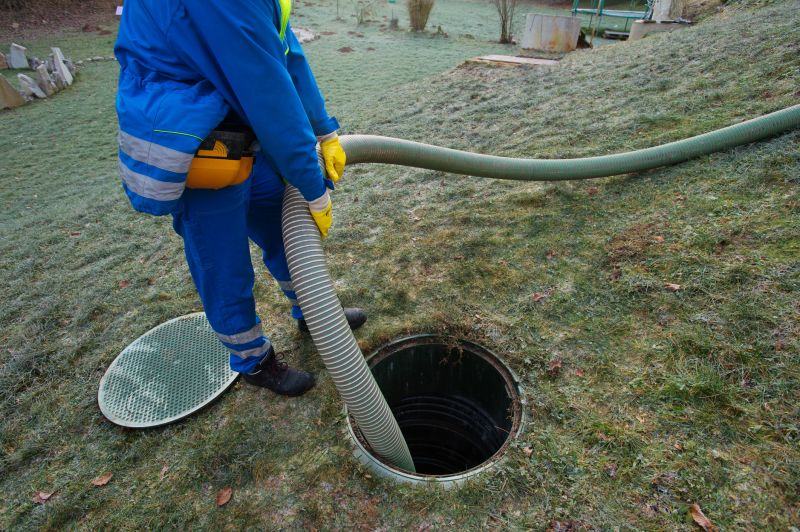
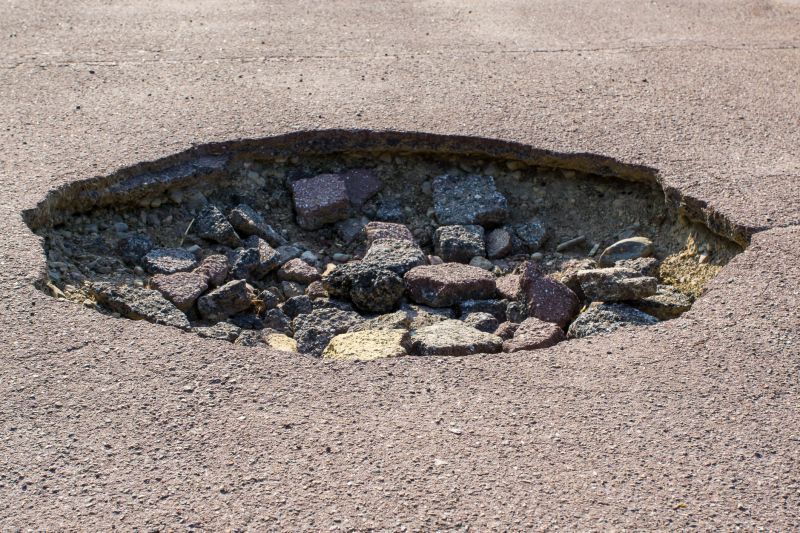
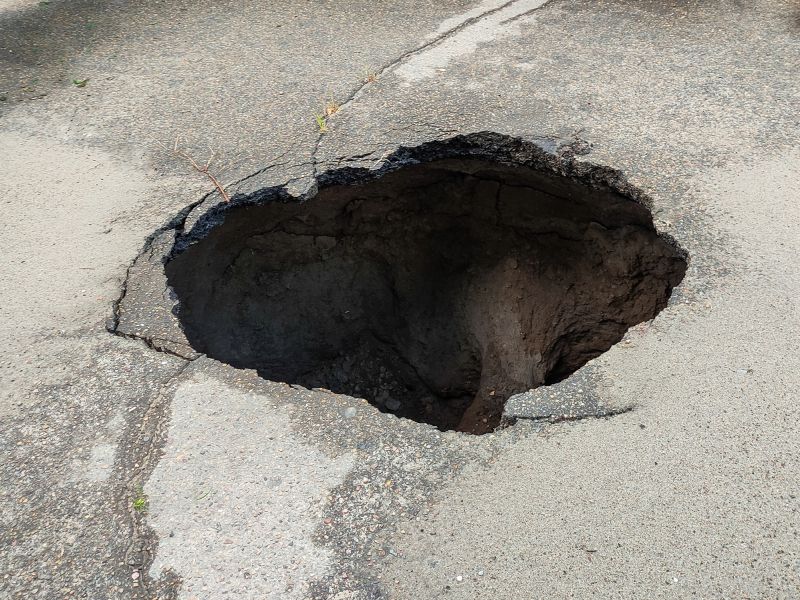
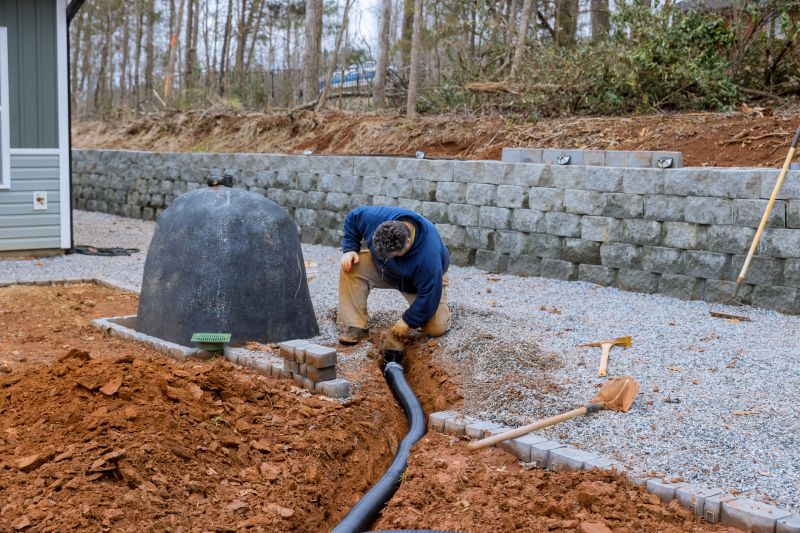
Learn how to compare local contractors for sinkhole filling by defining scope, verifying experience, and maintaining consistent expectations.
- Scope Definition - Clearly outline the specific tasks and methods involved in sinkhole filling to ensure mutual understanding.
- Experience Verification - Confirm that local contractors have relevant experience with sinkhole stabilization and filling projects.
- Material Specifications - Specify the types of materials to be used for filling and their suitability for the site conditions.
- Work Quality Standards - Establish expectations for work quality, including compaction, safety, and adherence to industry practices.
- Written Agreement - Ensure all project details, scope, and responsibilities are documented in a formal agreement before work begins.
When comparing contractors for sinkhole filling, it is important to consider their experience with similar projects. Homeowners should inquire about the types of sinkhole repairs the service providers have completed and seek details about the complexity and scale of those jobs. Contractors with a history of handling comparable situations are more likely to understand the specific challenges involved and deliver effective solutions. Verifying a contractor’s background in sinkhole filling can help ensure that the selected service provider has the practical knowledge necessary to address the unique conditions of the site.
A clear, written scope of work is essential for establishing expectations and avoiding misunderstandings. When evaluating different contractors, homeowners should ask for detailed descriptions of the proposed work, including the methods to be used, materials involved, and the extent of the repair. A comprehensive scope provides clarity on what is included and helps ensure that all parties are aligned on the project’s goals. This documentation serves as a reference point throughout the process and can be useful in resolving any disputes or ambiguities that may arise.
Verification basics are key when assessing potential service providers for sinkhole filling. Homeowners should seek information about the contractor’s experience, project history, and the types of sites they have worked on. It’s also helpful to confirm that the contractor is familiar with local soil conditions and regulatory requirements related to sinkhole repairs. While licensing and certification are not the focus here, understanding a contractor’s background and track record can provide confidence in their ability to perform the work properly and safely.
Evaluating options without considering prices involves focusing on the quality of the service providers’ credentials, communication, and approach. Homeowners should compare how well each contractor understands the project scope, their proposed methods, and their willingness to provide detailed written plans. Asking questions about their experience with similar projects and requesting references or case studies can help gauge their expertise. Ultimately, selecting a contractor involves assessing their professionalism, clarity, and capacity to deliver a thorough, well-documented plan that aligns with the homeowner’s expectations.
Ask contractors to provide written scope details to ensure clear expectations and consistent project understanding.
- Experience and Expertise - What experience do local contractors have with sinkhole filling projects similar to this scope?
- Scope of Work - How do contractors define the scope of work to ensure all necessary tasks are included?
- Comparison of Services - What services do different local service providers include in their sinkhole filling solutions?
- Project Expectations - How do contractors clarify project expectations and deliverables in writing?
- Qualifications and References - Can contractors provide references or examples of past sinkhole filling projects to verify their experience?
What should I consider when comparing contractors for sinkhole filling? It’s important to review their experience with similar projects, verify their reputation through references or reviews, and ensure clear communication about the scope of work and materials used.
How can I define the scope of sinkhole filling work with a contractor? Clearly outline the size and depth of the sinkhole, the extent of excavation needed, and any additional repairs or stabilization measures to ensure understanding and agreement.
What questions should I ask contractors about their experience? Inquire about their previous projects involving sinkhole filling, the types of soil or materials they typically work with, and their familiarity with local ground conditions.
Why is it important to have the scope of work in writing? Having a detailed, written scope helps set expectations, prevents misunderstandings, and provides a reference for the agreed-upon work throughout the project.
How can I verify a contractor’s experience with sinkhole filling? Request references from past clients, review any available project portfolios, and ask about their familiarity with local soil and ground stability issues.
What should I look for in the contract with a sinkhole filling contractor? Ensure the contract specifies the work scope, materials, responsibilities, and any warranties or guarantees to protect your interests and clarify project details.
Understanding the key aspects of sinkhole filling projects, including defining the scope, verifying experience, and setting clear expectations in writing, can help ensure an informed decision. Comparing options among local contractors allows for a better grasp of available services and expertise, making it easier to find a provider suited to specific needs. Utilizing the quote form can assist in gathering information to evaluate different service providers effectively.
Taking the time to compare local contractors for sinkhole filling can lead to a more confident choice aligned with project requirements. By clearly outlining expectations and verifying experience, homeowners and property owners can better navigate the selection process. Using the quote form provides a straightforward way to connect with service providers and explore options, helping to make a well-informed decision.